Nature Series With Incredible Cinematography
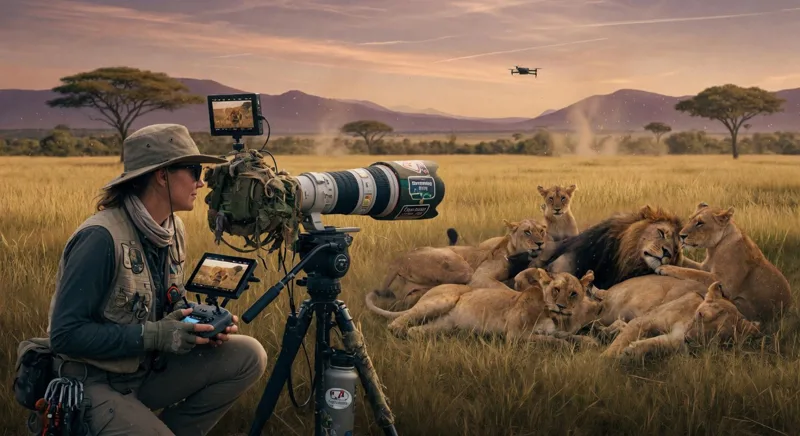
Nature series with incredible cinematography transform wildlife into unforgettable cinema. From deep oceans and frozen landscapes to rainforests and deserts, these shows combine remarkable camera work, immersive sound, and powerful storytelling to reveal the natural world in extraordinary detail.
What Makes Nature Cinematography So Impressive?
Wildlife filmmaking is far more demanding than simply pointing a camera at an animal. Filming crews may wait for days or weeks for a brief moment of behavior, often working in extreme heat, freezing temperatures, rough seas, or complete darkness.
Long telephoto lenses allow filmmakers to observe animals from a safe distance without disrupting their behavior. High-speed cameras capture split-second action, while low-light equipment reveals nocturnal wildlife that would otherwise remain hidden. Drones, camera traps, time-lapse photography, and stabilized aerial systems add perspectives that traditional documentary filmmaking could not achieve.
The result is more than beautiful footage. The best nature documentary series use cinematography to build tension, explain animal behavior, and create an emotional connection with each habitat.
The Best Nature Series With Incredible Cinematography
1. Planet Earth II
Planet Earth II remains a landmark in wildlife television. Its episodes move through islands, mountains, jungles, deserts, and grasslands, giving each environment a distinct visual identity.
The series is especially famous for intimate close-ups and dramatic action sequences. Tiny animals appear larger than life, while sweeping aerial shots show how landscapes shape survival. Slow motion, high-definition imagery, and carefully timed editing make even familiar animal behavior feel cinematic.
2. Blue Planet II
For viewers fascinated by marine life, Blue Planet II offers some of the most extraordinary underwater cinematography ever produced for television. Its cameras explore coral reefs, open oceans, deep-sea environments, and polar waters.
Ultra-high-definition underwater cameras reveal textures and colors that are difficult to see with the human eye. Special diving equipment also allows crews to remain near wildlife more quietly, helping them observe natural behavior with minimal disturbance.
3. Our Planet
Our Planet combines spectacular nature photography with a strong focus on changing ecosystems. Its landscapes are presented on a grand scale, from tropical forests and grasslands to icy regions and coastal habitats.
The series is a strong choice for viewers who want both beautiful scenery and environmental context. Wide landscape shots establish the scale of natural systems, while close observation shows how climate and habitat changes affect individual species.
4. Planet Earth
The original Planet Earth helped redefine expectations for high-quality nature documentaries. Its storytelling moves confidently between vast landscapes and the daily struggles of individual animals.
One of the series’ greatest strengths is its visual variety. Sweeping helicopter footage, detailed macro photography, time-lapse sequences, and long-lens wildlife shots create a sense of discovery in every episode.
5. Frozen Planet
Frozen Planet captures the beauty and danger of the Arctic and Antarctic. Its cinematography emphasizes scale: enormous ice fields, moving glaciers, winter storms, and remote coastlines surround animals adapted to some of Earth’s harshest conditions.
The series also excels at seasonal storytelling. Viewers see how animals respond to darkness, melting ice, short summers, and rapidly changing weather patterns.
6. Life
Life focuses on survival strategies across the animal kingdom. Rather than concentrating only on habitats, it examines behavior such as hunting, courtship, migration, defense, and cooperation.
High-speed photography is particularly effective in this series. Movements that happen too quickly to follow become clear, allowing viewers to understand how insects, birds, reptiles, and mammals survive in demanding environments.
7. Seven Worlds, One Planet
This series organizes its journey by continent, showing how geography influences evolution and animal behavior. Each episode combines dramatic scenery with unusual species and carefully structured storytelling.
Its cinematography ranges from expansive aerial views to quiet, observational scenes. That contrast helps audiences appreciate both the scale of a continent and the detail of a single animal’s daily life.
8. The Hunt
The Hunt is an excellent choice for viewers interested in predator-prey behavior. Instead of presenting predators as guaranteed winners, the series explores the uncertainty, energy costs, and intelligence involved in hunting.
Slow motion and tightly framed action shots make pursuits easier to follow. The editing builds suspense without losing sight of the biological realities behind each encounter.
9. Night on Earth
Night on Earth reveals a side of wildlife that conventional cameras often miss. Advanced low-light and infrared technology allows filmmakers to record animals hunting, communicating, migrating, and socializing after sunset.
The visual style feels almost otherworldly. Familiar landscapes change dramatically at night, and species that are rarely seen in daylight become the focus of the story.
10. The Green Planet
The Green Planet brings plant life into the foreground through macro cinematography and time-lapse photography. Flowers opening, vines competing for sunlight, and roots searching for water become dynamic events.
This series is a reminder that nature documentaries do not need to focus exclusively on animals. With the right camera techniques, plant behavior can be just as dramatic and engaging.
Nature Documentary Cinematography Techniques to Notice
- Long-lens photography: Captures wildlife from a respectful distance while preserving natural behavior.
- Slow motion: Reveals fast movements such as attacks, escapes, wingbeats, and courtship displays.
- Time-lapse: Compresses hours, days, or seasons into short sequences showing growth and environmental change.
- Aerial filming: Shows migration routes, landscape patterns, animal herds, and changing habitats from above.
- Camera traps: Record elusive animals without requiring a crew to remain nearby.
- Macro photography: Displays insects, plants, skin textures, and tiny ecological interactions in remarkable detail.
- Underwater filming: Uses specialized housings, lighting, and diving equipment to explore marine environments.
How to Choose the Right Nature Series
Choose Planet Earth II or Our Planet for sweeping landscapes and classic wildlife storytelling. Select Blue Planet II for ocean exploration, Frozen Planet for polar environments, or Night on Earth for unusual nocturnal behavior.
If you enjoy science and plant biology, The Green Planet offers a fresh perspective. For action and suspense, The Hunt provides some of the most gripping predator-prey storytelling in the genre.
Final Thoughts
The best nature series with incredible cinematography make science accessible, landscapes unforgettable, and wildlife deeply relatable. Their advanced cameras and patient crews reveal moments most people would never witness in person, from a hidden deep-sea encounter to a predator’s split-second decision.
Whether you prefer ocean documentaries, wildlife photography, environmental films, or cinematic travel through remote ecosystems, these series offer a powerful way to experience the living world—and to see it with greater curiosity and respect.
References
You May Also Like
 Entertainment
Are Streaming Bundles Actually Convenient?
 Entertainment
The Art of Building a Shared Watchlist
 Entertainment
How to Choose What to Watch When Everything Looks Good