Why We Binge Disaster Coverage (Even When It’s Uncomfortable)
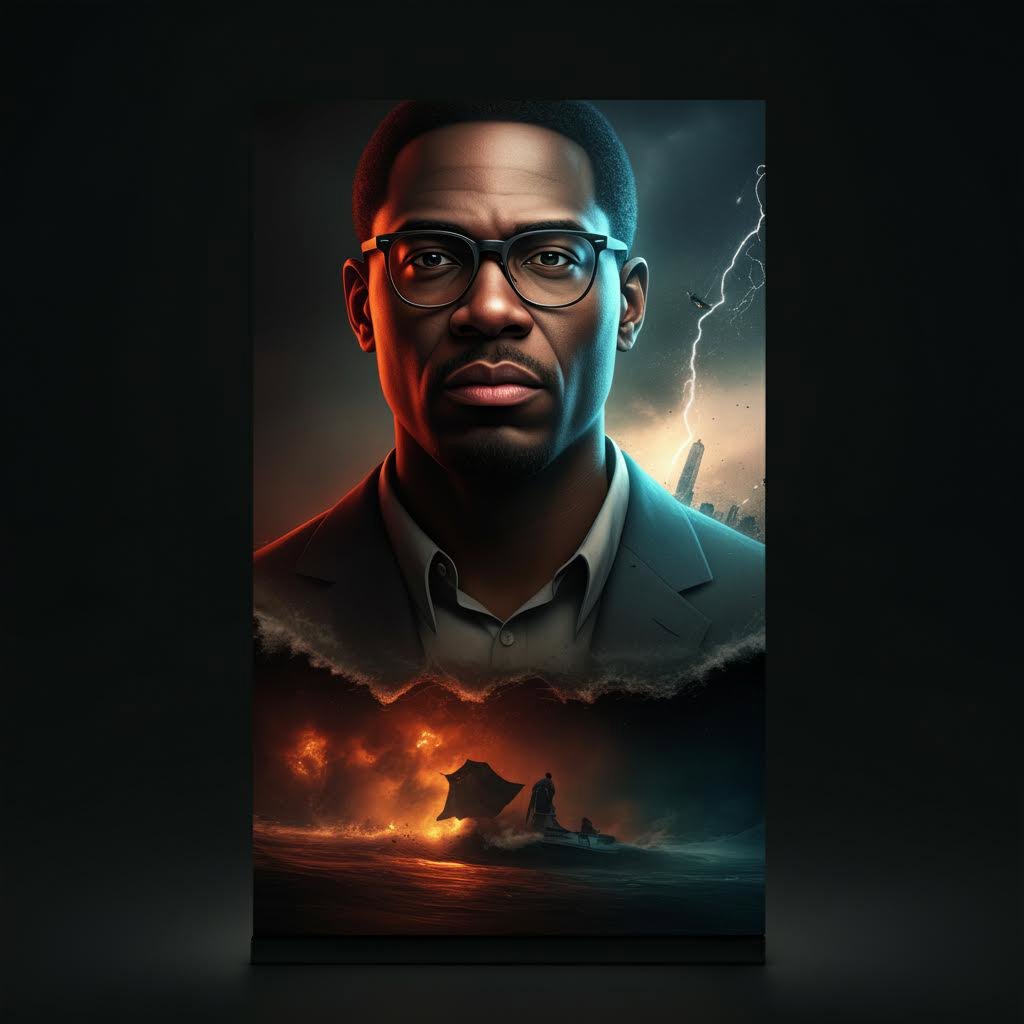
Why do we find ourselves glued to disaster coverage, even when it makes us squirm? The answer lies deep within our psychology, our need for connection, and the way modern media feeds our curiosity and anxieties.
When disaster strikes—be it a hurricane, wildfire, or earthquake—news outlets and social media platforms light up with nonstop updates, harrowing images, and personal stories. For many, the urge to binge this coverage is irresistible, even as it stirs discomfort, anxiety, or even dread. But what drives this compulsion to watch, read, and refresh?
Disaster coverage taps into our primal need for information and safety. Humans are hardwired to seek out threats in our environment. In the face of uncertainty, our brains crave details—what happened, who’s affected, could it happen to us? This instinct, once essential for survival, now manifests as a relentless scroll through news feeds and live updates. The more uncertain or catastrophic the event, the more we hunger for answers, hoping to regain a sense of control.
But there’s more at play than just curiosity. Disasters evoke powerful emotions: empathy for victims, fear for our own safety, and sometimes even guilt for being spared. Watching coverage can be a way to process these feelings, to bear witness, and to connect with others who are also watching. In a world where social isolation is common, shared disaster coverage becomes a communal experience—one that unites us in collective anxiety and compassion.
The psychological impact of disaster coverage is profound. Studies show that even those not directly affected by disasters can experience heightened anxiety, stress, and mood disturbances simply by consuming media about the event. The anticipation of disaster, as well as the aftermath, can lead to increased rates of anxiety and mood disorders, with some people developing symptoms of post-traumatic stress disorder (PTSD) just from exposure to distressing news[2][3]. The more we watch, the more we may feel overwhelmed, yet paradoxically, we keep coming back for more.
Why don’t we just turn it off? The answer lies in the way our brains process trauma and uncertainty. Disaster coverage often provides a sense of preparedness—if we know what’s happening, maybe we can protect ourselves or our loved ones. This illusion of control is comforting, even if it’s fleeting. For some, watching disaster news is a way to mentally rehearse “what if” scenarios, to imagine how we’d respond, and to reassure ourselves that we’re ready for the worst.
Yet, the cycle can be self-perpetuating. The more anxious we feel, the more we seek out information, which in turn can heighten our anxiety. This feedback loop is especially potent in the age of 24/7 news and social media, where updates are constant and often sensationalized. The emotional toll can be significant: nearly one-third of people affected by disasters experience negative mental health consequences, and even those watching from afar can feel the ripple effects[3][4].
There’s also a darker side to disaster bingeing. For some, repeated exposure to traumatic news can lead to emotional numbing or even unhealthy coping mechanisms, such as increased substance use. Research shows that after major disasters, rates of substance abuse and mental health issues often spike—not just among survivors, but among those who are repeatedly exposed to distressing coverage[1][2]. The line between staying informed and becoming overwhelmed is thin, and it’s easy to cross without realizing it.
So, what can we do? Experts recommend practicing “psychological first aid” for ourselves and others. This means recognizing when coverage is becoming too much, taking breaks, and seeking out positive or restorative activities. It also means reaching out for support if feelings of anxiety, sadness, or helplessness persist[4]. Remember, it’s normal to feel unsettled by disaster news—but it’s also okay to step away.
Ultimately, our fascination with disaster coverage is a testament to our humanity. We watch because we care, because we want to understand, and because we hope to find meaning in chaos. But as we binge the latest updates, it’s worth asking: are we seeking information, or are we seeking comfort? And when does staying informed become too much for our minds and hearts to bear?
In a world where disaster is just a click away, the challenge isn’t just to stay informed—it’s to stay well.
You May Also Like
 Entertainment
Are Streaming Bundles Actually Convenient?
 Entertainment
The Art of Building a Shared Watchlist
 Entertainment
How to Choose What to Watch When Everything Looks Good