Why Representation in Streaming Content Still Matters
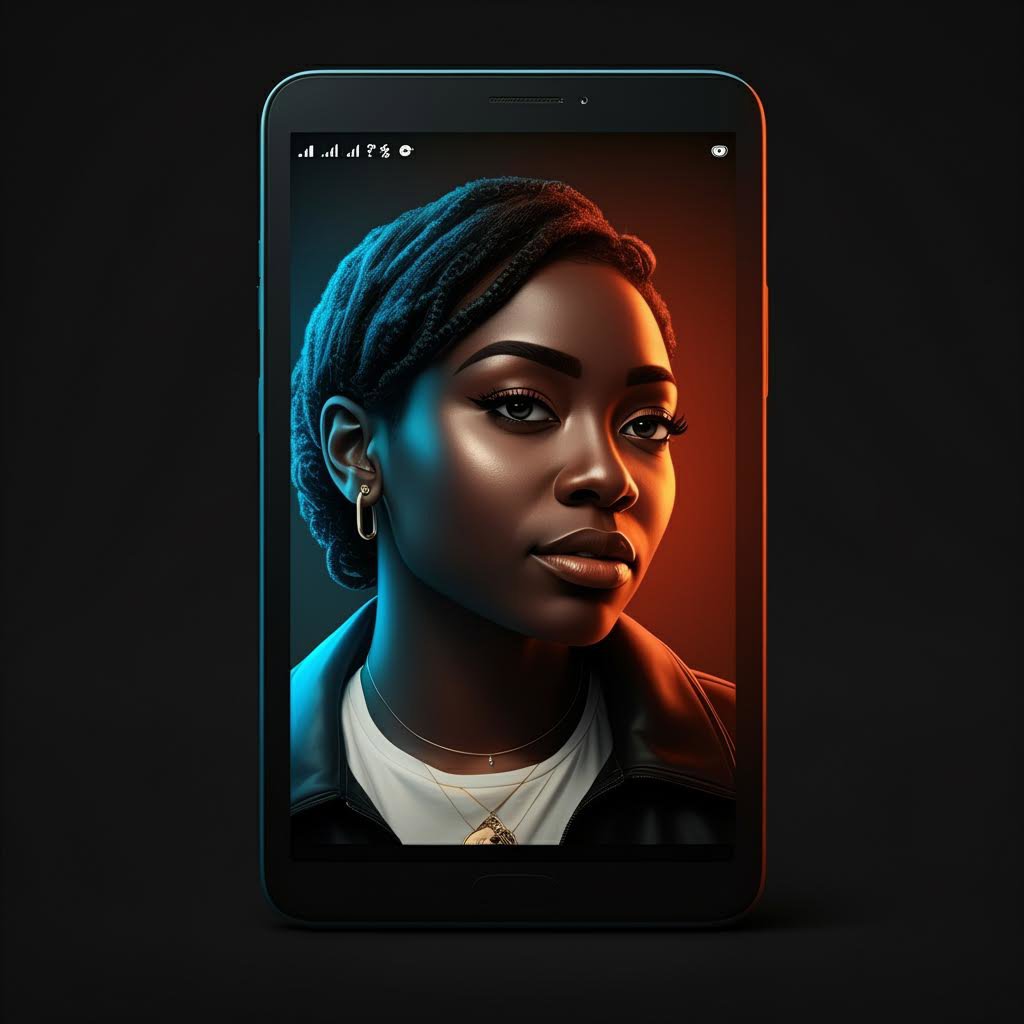
Streaming has officially taken the entertainment throne, but as our screens fill with endless choices, one question remains: who gets to see themselves in the stories we binge? Representation in streaming content isn’t just a buzzword—it’s the pulse of a culture in flux, shaping how we see ourselves and each other.
In 2025, streaming isn’t just a trend—it’s the new normal. According to Nielsen, streaming platforms now command a staggering 44.8% of total TV viewership, outpacing both broadcast and cable for the first time ever[1]. Americans are spending nearly eight hours a day on digital media, with video streaming alone gobbling up four of those hours[2]. The message is clear: the stories we consume are increasingly coming from Netflix, Disney+, YouTube, and a growing roster of digital-first platforms[3].
But as streaming becomes the default, the question of who gets represented on these platforms has never been more urgent. Here’s why representation in streaming content still matters—and why it’s a conversation that’s only getting louder.
Streaming Shapes the Cultural Narrative
Streaming platforms aren’t just entertainment—they’re the new town square. With their global reach and on-demand accessibility, these services have the power to shape cultural narratives in real time. When viewers see characters who look like them, love like them, or face similar challenges, it sends a powerful message: you belong in this story.
Conversely, when entire communities are left out or reduced to stereotypes, the message is just as clear—and damaging. In a world where over 40% of all TV time is now spent on streaming[3], the stakes for authentic, diverse representation have never been higher.
Personalization Demands Diversity
One of streaming’s biggest selling points is personalization. Algorithms serve up content tailored to individual tastes, but what happens when the content pool itself lacks diversity? If the stories available don’t reflect the full spectrum of human experience, personalization becomes an echo chamber, reinforcing narrow perspectives instead of broadening horizons.
As platforms race to keep viewers engaged, the demand for fresh, authentic voices is growing. Audiences are no longer satisfied with tokenism or one-dimensional characters—they want stories that reflect the complexity of real life.
Representation Drives Engagement—and Loyalty
Representation isn’t just a moral imperative; it’s a business strategy. Studies consistently show that audiences are more likely to engage with and remain loyal to platforms that offer content reflecting their identities and experiences. In a crowded streaming landscape, authentic representation is a key differentiator.
When viewers see themselves on screen, they’re more likely to recommend shows, subscribe to services, and become passionate advocates. For platforms, investing in diverse content isn’t just the right thing to do—it’s a smart move for long-term growth.
Streaming Gives Marginalized Voices a Platform
Traditional TV was often gatekept by a handful of executives, but streaming has democratized content creation. Independent filmmakers, international storytellers, and creators from underrepresented backgrounds now have unprecedented access to global audiences. This shift has led to a surge in stories that challenge the status quo and expand our understanding of the world.
Yet, the work is far from done. While streaming has opened doors, systemic barriers still exist. True representation means not just putting diverse faces on screen, but empowering creators behind the scenes to tell their own stories, on their own terms.
The Next Generation Is Watching
Perhaps the most compelling reason representation matters: the next generation is watching. Young viewers are growing up in a world where streaming is their primary window to the world. The stories they see will shape their sense of self, their aspirations, and their understanding of others.
When kids and teens see heroes, leaders, and innovators who look like them—or who are different from them—it fosters empathy, confidence, and a sense of possibility. Streaming content has the power to break down barriers and build bridges, one story at a time.
Conclusion: Representation Is the Future of Streaming
As streaming cements its place at the heart of modern culture, the call for authentic, inclusive representation is only growing louder. Platforms that rise to the challenge will not only capture the loyalty of diverse audiences—they’ll help shape a more equitable, empathetic world.
In the end, representation in streaming content isn’t just about who gets to be on screen. It’s about who gets to dream, to belong, and to be seen. And in 2025, that matters more than ever.
You May Also Like
 Entertainment
Are Streaming Bundles Actually Convenient?
 Entertainment
The Art of Building a Shared Watchlist
 Entertainment
How to Choose What to Watch When Everything Looks Good